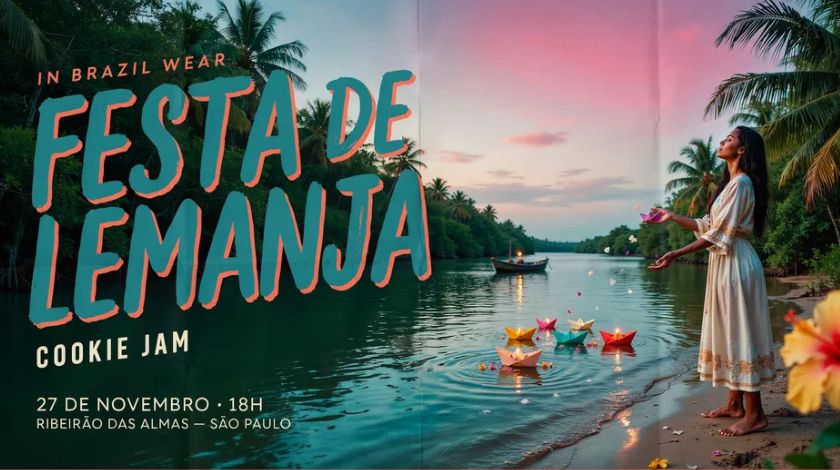
In Brazil Wear to the Festa De Lemanja Cookie Jam
The Festa de Iemanjá is one of Brazil’s most vibrant and spiritually significant celebrations. Held annually on February 2nd, particularly in Salvador, the festival honors Iemanjá, the revered Queen of the Sea in Afro-Brazilian religions such as Candomblé and Umbanda. Hundreds of thousands of people gather on beaches to offer flowers, prayers, and gifts to the sea while participating in music, dance, and cultural traditions.
For visitors, one of the most common questions is simple: What should I wear? The answer goes beyond fashion. Clothing at the Festa de Iemanjá carries cultural, spiritual, and symbolic meaning. Wearing the appropriate colors and styles is a sign of respect and helps visitors feel connected to the atmosphere of the event.
Imagine attending a wedding without understanding the dress code. You might still enjoy yourself, but dressing appropriately helps you participate fully in the experience. The same principle applies here. Understanding the symbolism behind clothing choices can make your visit far more meaningful and memorable.
Who Is Iemanjá?
Iemanjá is known as the “Mother of Waters” and the “Queen of the Sea.” In Afro-Brazilian traditions, she represents motherhood, protection, fertility, and the ocean itself. Her celebrations combine faith, culture, music, and community in a way that is uniquely Brazilian.
Why the Festival Matters in Brazilian Culture
The festival is much more than a religious gathering. It is a celebration of Brazil’s African heritage and cultural diversity. People from many different backgrounds attend, including those who do not practice Afro-Brazilian religions. The event has become an important symbol of Brazilian identity, especially in coastal communities.
Traditional Clothing for the Festa de Iemanjá
Why White Clothing Is Important
If there is one rule that almost everyone agrees on, it is this: wear white. White clothing is the traditional choice for the Festa de Iemanjá and is considered a symbol of peace, purity, spiritual openness, and respect. Visitors will quickly notice that entire beaches become seas of white as thousands gather to honor the Queen of the Sea.
The tradition has deep roots in Afro-Brazilian religious practices. For generations, worshippers have worn white garments during ceremonies dedicated to Iemanjá. Over time, the custom became widely adopted throughout Brazilian culture. Even people who are not religious often choose white clothing when participating in celebrations connected to Iemanjá.
White clothing also creates a powerful visual effect. Standing among thousands of people dressed in white on a sunny beach can feel almost magical. The color reflects sunlight, symbolizes renewal, and creates a sense of unity among participants.
The Meaning of Blue and White Colors
While white is the primary color, blue is also closely associated with Iemanjá because of her connection to the ocean. Many attendees wear blue scarves, necklaces, bracelets, dresses, or shirts alongside white clothing. The combination of white and blue reflects the colors of waves, sea foam, and the sky.
| Color | Meaning |
|---|---|
| White | Peace, purity, spirituality |
| Blue | Ocean, protection, Iemanjá’s energy |
| Light Blue | Calmness, harmony, water |
| Silver | Sea reflections, elegance |
Symbolism Behind the Colors
The symbolism goes beyond aesthetics. In many traditions, colors act as a language of devotion. Wearing white and blue signals participation in the celebration and acknowledges the spiritual significance of the occasion. These colors help create a collective identity that unites locals and visitors alike.
What Men Should Wear
Casual and Respectful Outfit Ideas
Men attending the Festa de Iemanjá do not need elaborate outfits. Simplicity is actually preferred. A white linen shirt paired with light-colored shorts or white trousers is both comfortable and culturally appropriate. Breathable fabrics are especially important because February is one of the hottest periods of the Brazilian summer.
Many local men choose loose-fitting cotton or linen clothing that allows airflow throughout the day. Since celebrations often begin early and continue into the evening, comfort should be a top priority. Think of your outfit as equipment for a day-long cultural journey rather than a fashion statement.
Accessories can include simple blue bracelets, beads, or scarves. Avoid anything excessively flashy or attention-seeking. The event is centered on respect and community rather than personal display.
Beach-Friendly Clothing Options
Because much of the celebration takes place near the water, beach-friendly clothing is highly practical. Lightweight shirts, breathable shorts, and comfortable sandals are common choices. Some attendees even walk barefoot near the shoreline when making offerings or participating in prayers.
What Women Should Wear
Traditional and Modern Styles
Women have many options when dressing for the Festa de Iemanjá. White dresses are particularly popular because they reflect both tradition and elegance. Long flowing dresses often resemble ocean waves as they move in the coastal breeze, creating a beautiful connection with the sea-themed symbolism of the event.
Modern attendees frequently combine traditional elements with contemporary fashion. White skirts, blouses, jumpsuits, and coordinated outfits are all commonly seen. The goal is not strict uniformity but rather participation in a shared cultural tradition.
The atmosphere is welcoming and inclusive. Visitors do not need expensive or elaborate clothing. What matters most is showing respect through appropriate color choices and comfortable attire.
Accessories for the Celebration
Blue and silver accessories are particularly popular. Common choices include:
- Blue bead necklaces
- Silver bracelets
- White flowers
- Sea-inspired jewelry
- Light scarves
Many participants also carry flowers intended as offerings to Iemanjá. White roses are among the most traditional choices.
Footwear and Practical Considerations
Best Shoes for Beach Celebrations
Footwear often becomes an afterthought until someone spends six hours walking across sand, pavement, and crowded festival streets. Comfortable sandals are generally considered the best option. Lightweight sneakers may also work well if you plan to walk long distances.
The festival environment can vary depending on location. In Salvador, attendees often move between streets, beaches, and gathering areas. Choosing practical footwear can make a significant difference in your overall experience.
Weather and Comfort Tips
Brazilian summers are hot and humid. Consider these practical recommendations:
| Item | Reason |
|---|---|
| Cotton clothing | Breathable and lightweight |
| Sun hat | Protection from direct sunlight |
| Sunglasses | Eye comfort |
| Reusable water bottle | Hydration |
| Light bag | Carry personal items and offerings |
Light fabrics can feel like air conditioning compared to heavier materials under the tropical sun.
Cultural Etiquette During the Festival
Clothing to Avoid
One widely shared recommendation is to avoid wearing black. While not necessarily forbidden, black is often associated with different spiritual meanings and is generally considered inappropriate for the Festa de Iemanjá. White and blue remain the preferred choices.
Extremely revealing outfits, offensive slogans, or clothing that appears disrespectful to religious traditions should also be avoided. Remember that many attendees view the celebration as a sacred event.
Respecting Religious Traditions
Visitors are warmly welcomed at the festival, but respectful behavior is essential. Taking photographs is generally acceptable, but always be considerate during prayers and ceremonies. Dressing appropriately demonstrates cultural awareness and appreciation.
Think of the event as entering someone’s home. You are invited to participate, but showing courtesy helps build meaningful connections with the community.
What to Bring Besides Clothing
Flowers and Offerings
Many visitors choose to bring small offerings to the sea. Traditional offerings often include:
- White roses
- Blue flowers
- Perfume
- Handwritten prayers
- Small symbolic gifts
There is increasing emphasis on environmentally responsible offerings, with many organizations encouraging biodegradable items to help protect marine ecosystems.
Offering flowers is entirely optional. Many visitors simply attend to observe, learn, and appreciate the cultural experience.
Festa de Iemanjá in Different Brazilian Cities
Salvador, Bahia
The most famous Festa de Iemanjá takes place in Salvador, particularly in the Rio Vermelho neighborhood. Hundreds of thousands of participants gather to celebrate through music, offerings, and religious ceremonies. The event is considered one of the largest celebrations dedicated to Iemanjá anywhere in the world.
Rio de Janeiro and Other Coastal Celebrations
Other Brazilian cities also host celebrations, including Rio de Janeiro, Santos, and Fortaleza. While local customs may vary slightly, white clothing remains the dominant dress choice across most celebrations.
Conclusion
Attending the Festa de Iemanjá is about much more than choosing an outfit. Clothing serves as a bridge between visitors and one of Brazil’s most cherished cultural traditions. The safest and most respectful choice is simple: wear white, consider adding blue accents, choose comfortable fabrics, and prepare for a day spent celebrating by the sea.
The combination of faith, music, culture, and community creates an unforgettable experience. By dressing appropriately, you not only respect the traditions of the festival but also become part of its living story. Whether you are attending in Salvador, Rio de Janeiro, or another coastal city, white clothing helps you connect with the spirit of the celebration and the enduring legacy of Iemanjá.
FAQs
1. Do I have to wear white to the Festa de Iemanjá?
No, but it is strongly recommended because white symbolizes peace, purity, and respect for the traditions associated with Iemanjá.
2. Can tourists participate in the celebration?
Yes. Tourists are welcome and regularly attend the festival. Respectful behavior and appropriate attire are appreciated.
3. Is blue an acceptable color to wear?
Absolutely. Blue is one of the colors most closely associated with Iemanjá and is often paired with white.
4. Should I avoid wearing black?
Many cultural guides recommend avoiding black because it is not traditionally associated with Iemanjá celebrations.
5. What flowers should I bring as an offering?
White roses are among the most traditional offerings presented to Iemanjá during the festival.