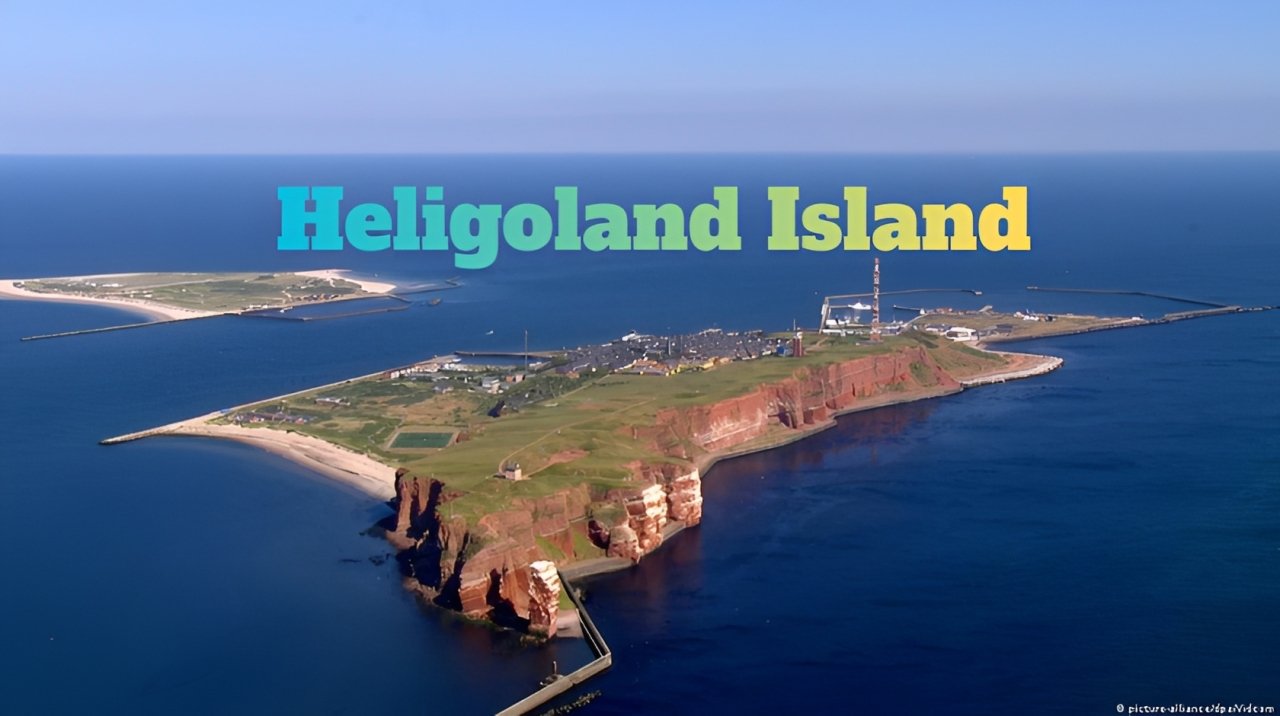
Heligoland Island: Germany’s Wind-Swept Gem in the North Sea
Imagine an island where red cliffs rise dramatically from the sea, seals lounge on sandy shores like they own the place, and cars are completely banned. Sounds unreal, right? Welcome to Heligoland Island, one of Germany’s most fascinating and unusual destinations. Sitting alone in the North Sea, this tiny archipelago packs a surprising punch of history, nature, and charm.
Heligoland isn’t your typical beach getaway or city break. It’s wild, windy, peaceful, and unapologetically different. If you love places that feel a little off the map, a little mysterious, and a lot memorable, you’re going to love this island.
Where Is Heligoland Located?
Heligoland (or Helgoland in German) lies about 70 kilometers off the German coastline in the North Sea. It’s officially part of Germany, yet geographically isolated enough to feel like its own little world. The archipelago consists of two main parts: the main island (Hauptinsel) and Düne, a smaller sandy island just nearby.
Because of its offshore location, Heligoland has long played a strategic role in European history and today, that separation is exactly what makes it so special.
A Brief History of Heligoland
Heligoland’s past is as dramatic as its cliffs. Over the centuries, the island has changed hands, identities, and purposes more times than you’d expect from such a small place.
Early Settlements and Viking Influence
Archaeological evidence suggests that Heligoland has been inhabited since prehistoric times. Later, it became a known landmark for seafarers, including Vikings, who used the island as a navigation point and temporary base. Its location made it a natural hub in North Sea trade routes.
British Rule and Strategic Importance
In 1807, Heligoland became a British possession. During this period, it served as a strategic naval base and smuggling hub during the Napoleonic Wars. British influence is still visible today, from architectural quirks to cultural traces.
Return to Germany and Modern Era
In 1890, Heligoland was returned to Germany as part of the Heligoland-Zanzibar Treaty. The island later became heavily fortified during World War II and suffered massive destruction. After the war, it was evacuated and even used for bombing tests until residents were finally allowed to return in 1952. Since then, Heligoland has reinvented itself as a peaceful tourist destination.
Geography and Natural Landscape
One look at Heligoland, and you’ll notice it doesn’t look like most German landscapes. This island feels raw, sculpted by wind and water.
The Red Sandstone Cliffs
Heligoland is famous for its towering red sandstone cliffs, rising sharply from the sea. These cliffs are unique in Germany and give the island its unmistakable look. The most iconic formation is the Lange Anna, a freestanding rock pillar that’s become the symbol of Heligoland.
Düne Island: The Sandy Sister
Just a short boat ride away lies Düne, a low-lying sandy island that feels like a completely different world. While the main island is rocky and dramatic, Düne offers beaches, dunes, and seal colonies. It’s where you go when you want soft sand between your toes.
Unique Geological Formation
Heligoland’s geology is rare for the region. While much of northern Germany is flat, this island rises abruptly, making it a geological outlier. Erosion constantly reshapes the cliffs, reminding visitors that nature is always in charge here.
Climate and Weather Patterns
Expect wind lots of it. Heligoland has a maritime climate with mild winters and cool summers. Weather can change quickly, which only adds to the island’s moody, cinematic vibe.
Flora and Fauna of Heligoland
Despite its harsh conditions, Heligoland supports a surprisingly rich ecosystem.
Seabirds and Wildlife Colonies
The island is one of Germany’s most important bird sanctuaries. Thousands of seabirds nest on the cliffs, including gannets, guillemots, and kittiwakes. During breeding season, the cliffs are alive with sound and movement.
Marine Life Around the Island
Seals and gray seals are common sights, especially around Düne. Watching them bask lazily on the beach feels like stumbling into a nature documentary no narration needed.
Culture and Local Life
Life on Heligoland moves at its own pace. With no cars and a small permanent population, things feel refreshingly simple.
Language and Traditions
Locals speak German, but you might also hear Halunder, a North Frisian dialect unique to the island. Traditional festivals, maritime customs, and a strong sense of community keep Heligoland’s culture alive.
Tax-Free Shopping Paradise
One quirky perk: Heligoland is a duty-free zone. That means visitors can shop tax-free for items like perfumes, alcohol, and tobacco. It’s an unexpected bonus in such a remote place.
Things to Do on Heligoland Island
Don’t let the island’s size fool you there’s plenty to do if you love nature, walking, and slowing down.
Cliff Walks and Nature Trails
Walking paths circle the island, offering jaw-dropping views at every turn. One moment you’re overlooking endless sea, the next you’re peering down at nesting birds clinging to the cliffs.
Birdwatching Adventures
Heligoland is legendary among birdwatchers. During migration seasons, rare species pass through, making it one of Europe’s top birding hotspots.
Beach Time on Düne
Düne’s beaches are perfect for relaxing, swimming, or simply watching seals nap in the sun. It’s peaceful, uncrowded, and wonderfully natural.
Outdoor Activities and Exploration
From guided nature tours to snorkeling and boating, Heligoland offers low-key outdoor fun that connects you directly with the environment.
Photography and Scenic Views
If you love photography, Heligoland is pure gold. Dramatic skies, crashing waves, wildlife moments it’s impossible to take a bad photo here.
Heligoland as a Tourist Destination
Heligoland attracts travelers who want something different. It’s not flashy or overdeveloped, and that’s exactly the point.
Best Time to Visit
Late spring to early autumn is ideal. Summer brings the best weather, while spring and fall are perfect for birdwatching and fewer crowds.
How to Get to Heligoland
Ferries and Flights
Most visitors arrive by ferry from Hamburg, Cuxhaven, or Bremerhaven. Small planes also fly to the island, offering a quick and scenic alternative.
Getting Around the Island
There are no cars on Heligoland. You get around on foot, by bicycle, or via small electric carts. It’s quiet, clean, and oddly liberating.
Accommodation and Dining
Where to Stay
Accommodation ranges from cozy guesthouses to comfortable hotels with sea views. Nothing feels overly luxurious, but everything feels authentic.
Local Food and Seafood Delights
Seafood dominates the menu fresh fish, shrimp, and North Sea specialties are everywhere. Simple, hearty, and delicious, the food reflects the island itself.
Heligoland’s Environmental Importance
Heligoland isn’t just beautiful it’s vital.
Conservation Efforts
Large parts of the island and surrounding waters are protected nature reserves. Strict rules help preserve wildlife and fragile ecosystems.
Sustainable Tourism
Tourism here focuses on respect for nature. Limited development, controlled access, and eco-friendly practices ensure Heligoland stays wild for future generations.
Why Heligoland Island Is Truly Unique
Heligoland isn’t trying to compete with major tourist hotspots. It doesn’t need to. Its isolation, history, and raw beauty make it unforgettable.
Interesting Facts About Heligoland
-
No cars are allowed on the island
-
It’s Germany’s only high-sea island
-
Home to the country’s largest seabird colonies
-
Duty-free shopping zone
-
Features Germany’s only red sandstone cliffs
Conclusion
Heligoland Island is one of those rare places that stays with you long after you leave. It’s quiet without being boring, dramatic without being overwhelming, and simple without being dull. Whether you’re drawn by nature, history, wildlife, or just the idea of escaping the noise of everyday life, Heligoland delivers something special.
In a world that’s constantly speeding up, Heligoland invites you to slow down, breathe deeply, and listen to the wind. And honestly? That’s a pretty incredible gift.
FAQs
1. Is Heligoland Island worth visiting?
Absolutely. If you love nature, wildlife, and peaceful destinations, Heligoland is a hidden gem.
2. Can you visit Heligoland on a day trip?
Yes, day trips are possible, but staying overnight lets you truly experience the island’s calm atmosphere.
3. Are cars allowed on Heligoland?
No, cars are banned, making the island quiet and pedestrian-friendly.
4. What is Heligoland famous for?
Its red cliffs, seabird colonies, duty-free shopping, and unique history.
5. When is the best season to see seals on Heligoland?
Late spring through summer is ideal, especially on Düne Island.