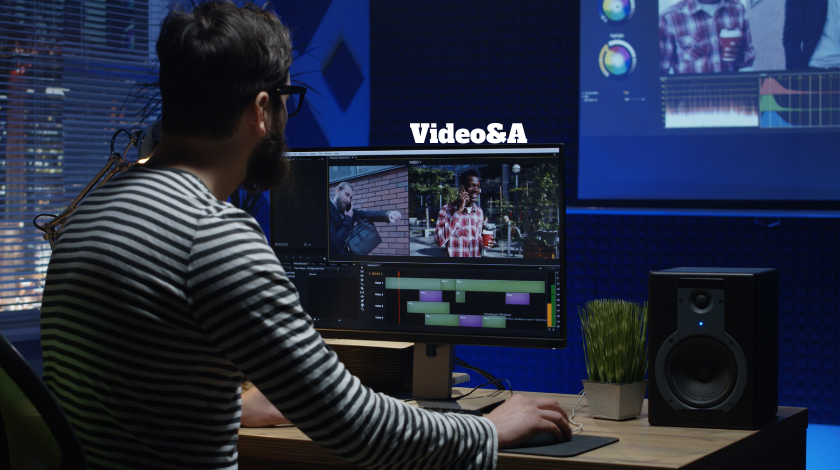
Video&A: The Future of Interactive Video Content
The internet has changed dramatically over the past decade. Static blog posts once ruled the digital world, then social media took over, and now video dominates nearly every platform online. Whether someone is scrolling through TikTok during lunch, watching tutorials on YouTube late at night, or attending virtual business meetings, video content has become the language of the modern internet. In the middle of this transformation, a new concept is rapidly gaining attention: Video&A.
At first glance, the term “Video&A” may look like a typo of “Video Q&A,” but it represents something much bigger. It refers to interactive video experiences where audiences can ask questions, receive responses, engage with AI systems, or participate in real-time communication through dynamic video platforms. It blends traditional video with conversational technology, creating experiences that feel more human, personalized, and immersive. Think of it like turning passive television into a two-way conversation where the screen actually talks back to you.
Recent industry reports show explosive growth in interactive and AI-driven video technology. According to data from Grand View Research, the global video streaming market continues expanding rapidly due to rising internet penetration, AI integration, and demand for personalized experiences. At the same time, platforms powered by conversational AI are changing how businesses educate customers, train employees, and entertain audiences.
Video&A sits right at the intersection of these trends. It combines artificial intelligence, interactive media, audience participation, and modern content creation into one ecosystem. Businesses use it for customer support. Creators use it for audience engagement. Schools use it for education. Even healthcare organizations now experiment with AI-assisted video communication tools.
This article explores exactly what Video&A means, how it works, why it matters in 2026, and how creators, marketers, educators, and businesses are using it to reshape online communication.
Understanding What Video&A Really Means
The internet used to be a one-way street. Creators uploaded content, audiences watched silently, and interaction remained limited to comments or likes. Video&A changes that structure completely. Instead of treating viewers like passive spectators sitting quietly in a dark movie theater, it transforms them into active participants inside the experience itself. That shift may sound subtle, but it changes everything about digital communication.
At its core, Video&A combines video content with conversational interaction. Users can ask questions during videos, receive AI-generated responses, trigger personalized content flows, or engage directly with creators and brands in real time. Imagine watching a cooking tutorial and asking the video, “Can I replace butter with olive oil?” Then, instead of opening Google in another tab, the system instantly answers your question through AI-generated guidance. That’s the kind of seamless interaction Video&A systems aim to deliver.
This technology is growing quickly because modern audiences expect personalization everywhere. People no longer want static experiences. They want platforms that adapt to their interests, behavior, and preferences. According to recent industry trends from Statista, video consumption continues increasing globally across mobile devices, social platforms, and smart TVs. Businesses recognize that engagement rises when audiences feel directly involved in the content experience.
Difference Between Traditional Video and Interactive Video
Traditional video behaves like a printed book. The information flows in one direction only. You watch it, absorb it, and move on. Interactive video behaves more like a conversation with a knowledgeable guide who responds based on your curiosity.
This shift matters because user attention spans are shrinking rapidly. Interactive systems keep viewers engaged longer by making them feel involved. Instead of mindlessly consuming content, viewers participate in decision-making, questioning, and exploration.
How AI Powers Modern Video Conversations
Artificial intelligence acts as the engine behind most modern Video&A systems. AI tools process speech, interpret questions, analyze viewer behavior, and generate relevant responses. Natural language processing allows systems to understand human language rather than relying on rigid commands.
Think of AI as the invisible translator sitting between humans and machines. It listens, interprets intent, and delivers meaningful responses instantly.
The Rise of Interactive Video Platforms
Interactive video technology is no longer experimental. It has become a major digital trend across industries. Businesses, educators, influencers, and software companies are investing heavily in systems that combine conversational AI with visual communication.
One reason is simple: video dominates internet traffic. Research from Cisco Systems has repeatedly highlighted how video continues representing a massive percentage of global online traffic. Consumers prefer visual learning because it feels faster, more entertaining, and easier to understand.
Growth of AI Video Technology
AI-generated video tools exploded in popularity during the last few years. Platforms can now:
- Create AI avatars
- Generate subtitles instantly
- Translate speech automatically
- Answer questions in real time
- Personalize content dynamically
This growth lowered production barriers dramatically. Small businesses can now produce interactive video experiences without Hollywood-level budgets.
Audience Demand for Personalized Content
Modern audiences expect personalization everywhere. Netflix recommends movies. Spotify recommends music. TikTok customizes entire feeds. Video&A follows the same logic by tailoring video experiences around individual viewers.
People naturally engage more deeply with content that feels relevant to their specific interests. Personalized interaction creates emotional connection, and emotional connection increases retention.
Key Features of Video&A Systems
Video&A systems combine several technologies into one ecosystem. The result feels less like watching content and more like interacting with a digital assistant wrapped inside video media.
Real-Time Questions and Responses
One of the most powerful features is instant interaction. Users can ask questions while watching videos and receive immediate answers without leaving the platform. This dramatically improves convenience.
For businesses, this reduces support costs because users solve problems independently through interactive guidance.
AI-Generated Video Assistance
AI assistants can summarize videos, explain concepts, suggest related content, or provide contextual information automatically. Educational platforms especially benefit from this functionality.
Imagine pausing a science lecture and asking the system to explain a difficult concept in simpler language. AI-powered video learning makes that possible.
Smart Recommendation Engines
Recommendation systems analyze viewer behavior to predict what content users want next. This keeps audiences engaged longer and improves user satisfaction.
| Feature | Traditional Video | Video&A Systems |
|---|---|---|
| Viewer Interaction | Limited | High |
| Personalization | Minimal | Advanced |
| AI Integration | Rare | Core Feature |
| Real-Time Support | No | Yes |
| Adaptive Content | Static | Dynamic |
How Businesses Use Video&A
Businesses increasingly treat Video&A as a competitive advantage rather than a novelty. Customers now expect fast answers, personalized service, and seamless digital experiences.
Customer Support Automation
AI-powered video support systems can answer frequently asked questions visually instead of relying only on text chatbots. This improves clarity dramatically because people often understand visual explanations faster than written instructions.
For example, a software company can create interactive onboarding videos where customers ask questions directly inside the tutorial environment.
Product Demonstrations and Tutorials
Video&A transforms product demonstrations into interactive experiences. Instead of forcing viewers through generic sales presentations, systems adapt based on user questions and interests.
A shopper looking at a laptop review could ask:
- “Does this support gaming?”
- “How long does the battery last?”
- “Can it run editing software?”
The system then responds instantly with relevant information.
Video&A in Education and Online Learning
Education may become one of the biggest winners from Video&A technology. Traditional online learning often struggles with engagement because students feel isolated.
Interactive video changes that dynamic completely.
Interactive Virtual Classrooms
Students can ask questions during lessons, receive instant clarifications, and interact with educational material more naturally. AI tutors can provide support even outside classroom hours.
This creates learning environments that feel closer to one-on-one teaching.
Personalized Learning Experiences
Every student learns differently. Some need slower explanations. Others prefer visual demonstrations or examples. Video&A systems adapt dynamically to individual learning styles.
That personalization improves comprehension and retention significantly.
Social Media and Content Creator Opportunities
Creators constantly search for ways to stand out in crowded digital spaces. Video&A opens entirely new engagement possibilities.
Live Streaming Engagement
Live streamers already interact with audiences through chat, but AI-enhanced systems make conversations smarter and more scalable. AI tools can:
- Filter spam
- Highlight important questions
- Generate responses
- Moderate communities automatically
This helps creators focus more on content and less on chaos.
AI-Powered Community Interaction
Some creators now use AI avatars trained on their own speaking style and personality. Fans can interact with these systems even when creators are offline.
It’s almost like leaving behind a digital clone capable of continuing conversations 24/7.
Technical Requirements Behind Video&A
Underneath the smooth user experience lies incredibly complex infrastructure.
Cloud Computing Infrastructure
Video&A systems rely heavily on cloud servers because processing AI conversations and video streams simultaneously requires enormous computing power.
Cloud platforms allow systems to scale globally without requiring users to own powerful devices locally.
Machine Learning and Natural Language Processing
Natural language processing helps systems understand human speech patterns, slang, accents, and context. Machine learning continuously improves response accuracy over time.
Without these technologies, interactive video conversations would feel robotic and frustrating.
Benefits and Challenges of Video&A
Like every major technological shift, Video&A creates both opportunities and concerns.
Increased Engagement Rates
Interactive experiences consistently outperform passive content in engagement metrics. Users spend more time on platforms when they feel involved directly.
Businesses benefit through:
- Higher retention
- Better customer satisfaction
- Improved conversion rates
- Stronger brand loyalty
Privacy and Ethical Concerns
At the same time, Video&A systems collect large amounts of user data including:
- Voice recordings
- Viewing habits
- Behavioral patterns
- Conversation history
That raises serious questions about privacy, surveillance, and ethical AI usage.
The Future of Video&A Technology
The future of Video&A looks incredibly ambitious. We are likely only seeing the beginning of what interactive AI video systems can become.
Virtual Reality Integration
Future systems may combine Video&A with virtual reality environments. Instead of watching videos on flat screens, users could interact inside fully immersive digital spaces.
Imagine attending a virtual classroom where AI tutors walk beside you explaining concepts in real time.
Hyper-Personalized AI Video Experiences
Future AI systems will likely personalize:
- Video pacing
- Explanations
- Voice tones
- Visual styles
- Learning methods
Content could adapt uniquely to every individual viewer.
That level of personalization may redefine digital communication entirely.
Conclusion
Video&A represents a major evolution in how humans interact with digital content. It transforms video from a passive experience into a dynamic conversation powered by artificial intelligence, personalization, and real-time engagement.
Businesses use it to improve customer support. Educators use it to create smarter learning systems. Creators use it to strengthen audience relationships. Consumers benefit from experiences that feel more responsive, helpful, and human.
The internet is moving toward interaction-driven media ecosystems where users no longer simply watch content they participate inside it. Video&A sits at the center of that transformation.
As AI technology continues advancing, the line between human conversation and digital interaction will become increasingly blurred. The future of online communication may not look like websites or social feeds at all. It may look like intelligent video experiences that talk back, adapt instantly, and understand users almost like real people.
FAQs
1. What does Video&A mean?
Video&A refers to interactive video experiences that combine video content with AI conversations, audience engagement, and real-time question-and-answer functionality.
2. How does AI improve interactive video?
AI helps systems understand questions, generate responses, personalize content, and automate engagement during video experiences.
3. Is Video&A used in education?
Yes. Schools and online learning platforms increasingly use Video&A systems for personalized learning and interactive virtual classrooms.
4. Can businesses use Video&A for customer support?
Absolutely. Many businesses use AI-powered video systems to answer customer questions, guide users through products, and reduce support costs.
5. What is the future of Video&A?
The future likely includes virtual reality integration, advanced personalization, smarter AI conversations, and fully immersive interactive experiences.