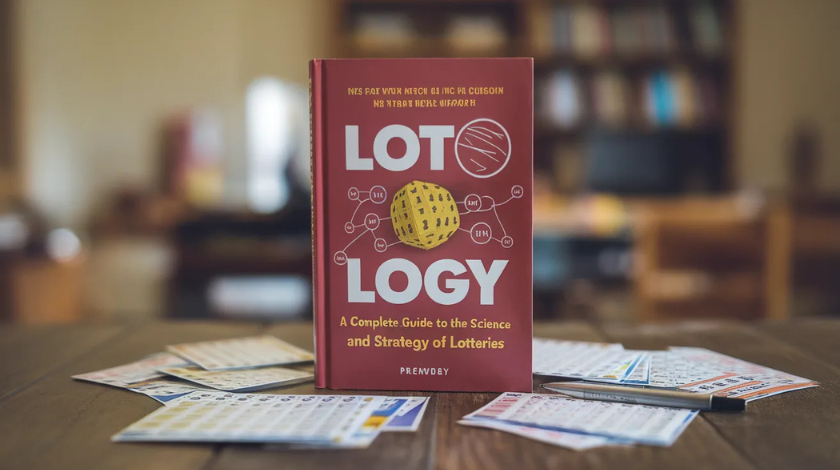
Lotology: A Complete Guide to the Science and Strategy of Lotteries
Lotology is the study of lotteries using mathematics, statistics, psychology, and probability theory. Think of it as shining a flashlight into what most people consider a dark cave of pure luck. While winning a lottery is largely random, lotology tries to understand patterns, behaviors, and systems behind lottery games.
Why Lotology Is Gaining Popularity
With data everywhere and tools more accessible than ever, people are curious. Can numbers tell a story? Can patterns whisper secrets? That curiosity is exactly why lotology is becoming a buzzword among lottery enthusiasts.
The Origins and History of Lotology
Early Forms of Lotteries
Lotteries go way back ancient China, Rome, and even medieval Europe used them to fund public projects. Back then, nobody called it lotology, but the seeds were planted.
Evolution Into a Structured Study
As mathematics evolved, people began analyzing lottery outcomes instead of just crossing fingers. Probability theory turned gut feelings into equations.
Modern Academic and Statistical Influence
Today, lotology borrows from data science and behavioral psychology, making it a fascinating hybrid of logic and human nature.
How Lotteries Work
Basic Mechanics of a Lottery
At its core, a lottery involves selecting numbers from a predefined pool. Draws are random, and prizes depend on how many numbers you match.
Types of Lottery Games
Number-Based Lotteries
These are the classics pick numbers, wait for a draw, and hope lightning strikes.
Scratch Cards
Instant gratification in cardboard form. Scratch and reveal no waiting required.
Online and Digital Lotteries
Technology has taken lotteries global, making participation easier than ever.
The Mathematics Behind Lotology
Probability and Odds Explained Simply
Imagine throwing darts blindfolded. That’s probability in lotteries. The odds are usually stacked against players, and lotology makes that clear.
Randomness vs Patterns
Here’s the kicker: randomness can look like patterns. Lotology teaches how to tell the difference.
Common Misconceptions About Lottery Math
No, a number isn’t “due” just because it hasn’t appeared in years. That’s not how probability works.
Psychology of Lottery Players
Why People Play the Lottery
Hope. Plain and simple. A ticket buys a dream, not just numbers.
Cognitive Biases in Lotology
Confirmation bias, gambler’s fallacy, optimism bias our brains love to trick us.
Hope, Risk, and Human Behavior
Lotology doesn’t judge; it explains why we chase long odds anyway.
Statistical Analysis in Lotology
Frequency Analysis
This looks at how often numbers appear over time.
Hot and Cold Numbers
Hot numbers appear frequently; cold numbers don’t. Useful? Debatable.
Do Patterns Really Exist?
Statistically? Not really. Psychologically? Absolutely.
Lotology Strategies: Myth or Method?
Popular Lottery Strategies
From lucky numbers to complex systems, strategies abound.
Wheeling Systems
These cover combinations efficiently but don’t change odds.
Budgeting and Responsible Play
The best strategy? Don’t spend what you can’t afford to lose.
Technology and Lotology
Role of Software and Algorithms
Apps crunch numbers faster than humans ever could.
AI and Predictive Models
AI can analyze history, not predict randomness.
Limitations of Technology
No algorithm can outsmart true randomness.
Ethics and Legal Aspects of Lotology
Is Lotology Gambling or Science?
It’s both. Analysis meets chance.
Legal Regulations Worldwide
Rules vary widely depending on location.
Ethical Concerns
Transparency and responsible promotion matter.
Lotology as a Career or Hobby
Who Studies Lotology?
Statisticians, hobbyists, mathematicians, and curious minds.
Practical Applications
Beyond lotteries, it sharpens analytical thinking.
Educational Resources
Books, forums, and online tools fuel learning.
Common Myths About Lotology
“Guaranteed Winning Systems”
If it sounds too good to be true, it is.
Superstitions vs Science
Lucky charms don’t affect probabilities.
Responsible Lottery Play
Managing Expectations
Winning is rare. Knowing that is healthy.
Avoiding Addiction
Awareness is key. Play for fun, not survival.
Healthy Approaches to Playing
Treat it like entertainment, not investment.
The Future of Lotology
Digital Transformation
More data, more tools, more curiosity.
Data-Driven Insights
Analysis will get smarter, not luckier.
What Lies Ahead
Lotology will keep blending math with human hope.
Conclusion
Lotology doesn’t promise jackpots it offers clarity. It strips away illusions and replaces them with understanding. Whether you’re a casual player or a curious analyst, lotology helps you see lotteries for what they really are: a dance between chance and choice.
FAQs
1. Is lotology a real science?
It’s an informal field combining statistics, probability, and psychology.
2. Can lotology help me win the lottery?
It can help you understand odds, not beat them.
3. Are lottery numbers ever predictable?
No, true lottery systems are random.
4. Is studying lotology worth it?
Yes especially for critical thinking and data analysis skills.
5. Can AI predict lottery numbers?
AI analyzes history, but it cannot predict randomness.